
Business CPA Dallas AlternativeMonth closed, payroll opened, return written
You came for closed books, payroll setup, and the return. Steven Palmieri does this as a Tax CFO, the role Dallas owners have come to call the Entrepreneur's CFO.

Fountain Place looks like one clean sheet of glass from the Trinity; your file should look that clean to the person opening it.

Where the month stands

You will be talking to the Steven Palmieri practice.
A file a bank can read
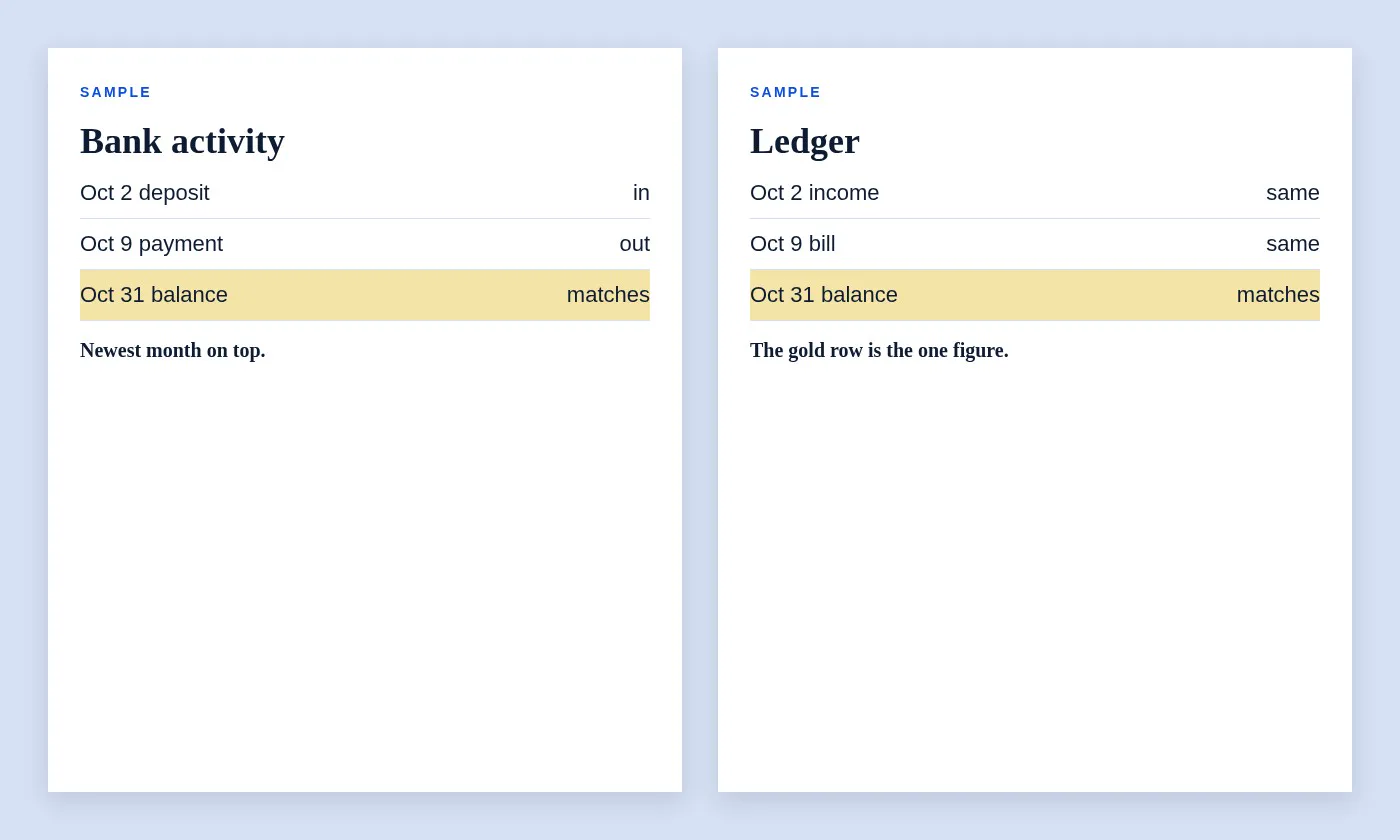
A credit analyst opens the newest month first and stops if it does not match the bank. We make sure the newest month is the strongest one in the file.
Click to see what a bank reads ›Tap to see what a bank reads ›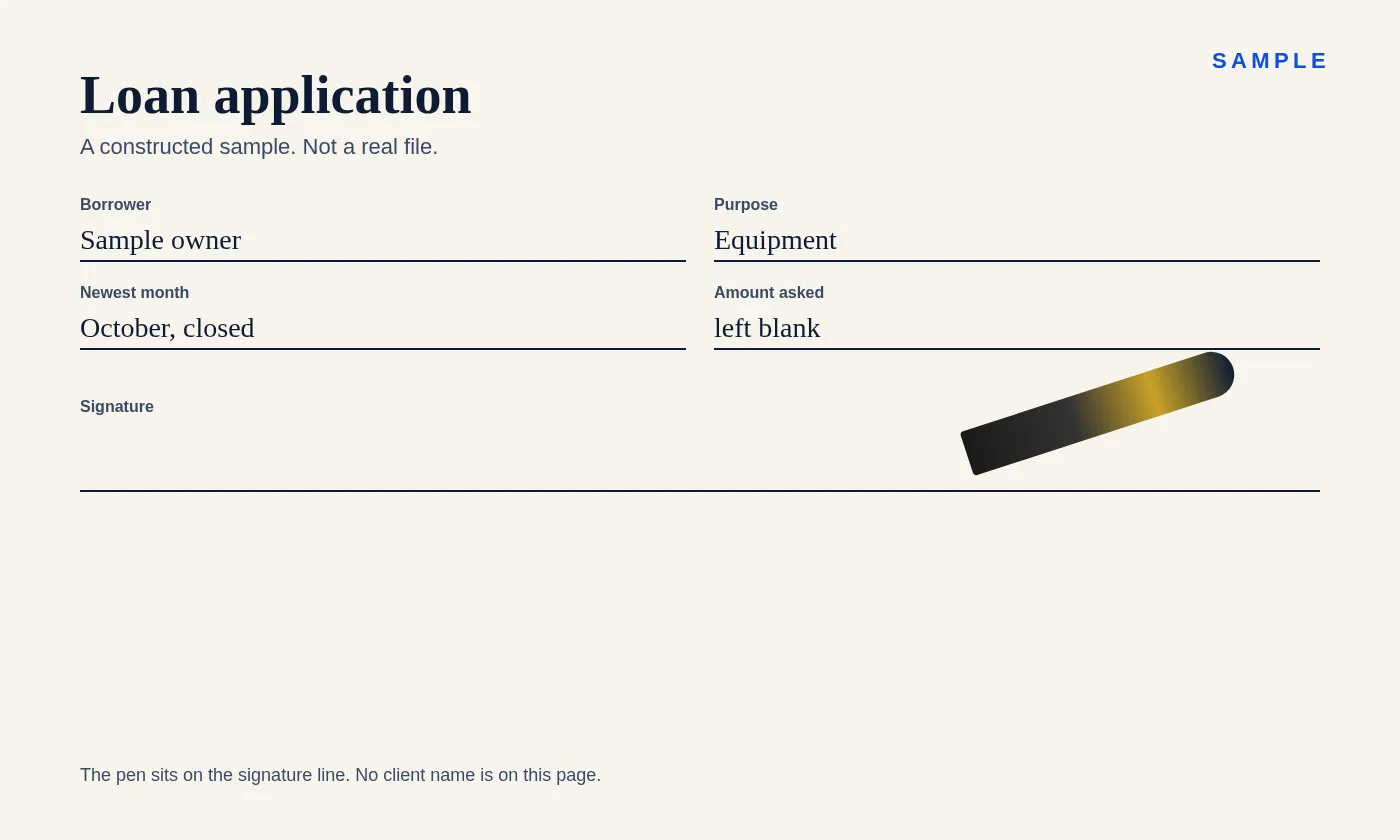
The books, closed to the bank
The statement and the ledger end on the same figure.
Click to see the month ›Tap to see the month ›
The return from those books
The Margaret Hunt Hill Bridge carries its load on one arch; a loan file carries on one month, the newest one.
Click to see the return ›Tap to see the return ›
Dates that sit on the same books
Those dates need months that are already closed.
Click to see the dates ›Tap to see the dates ›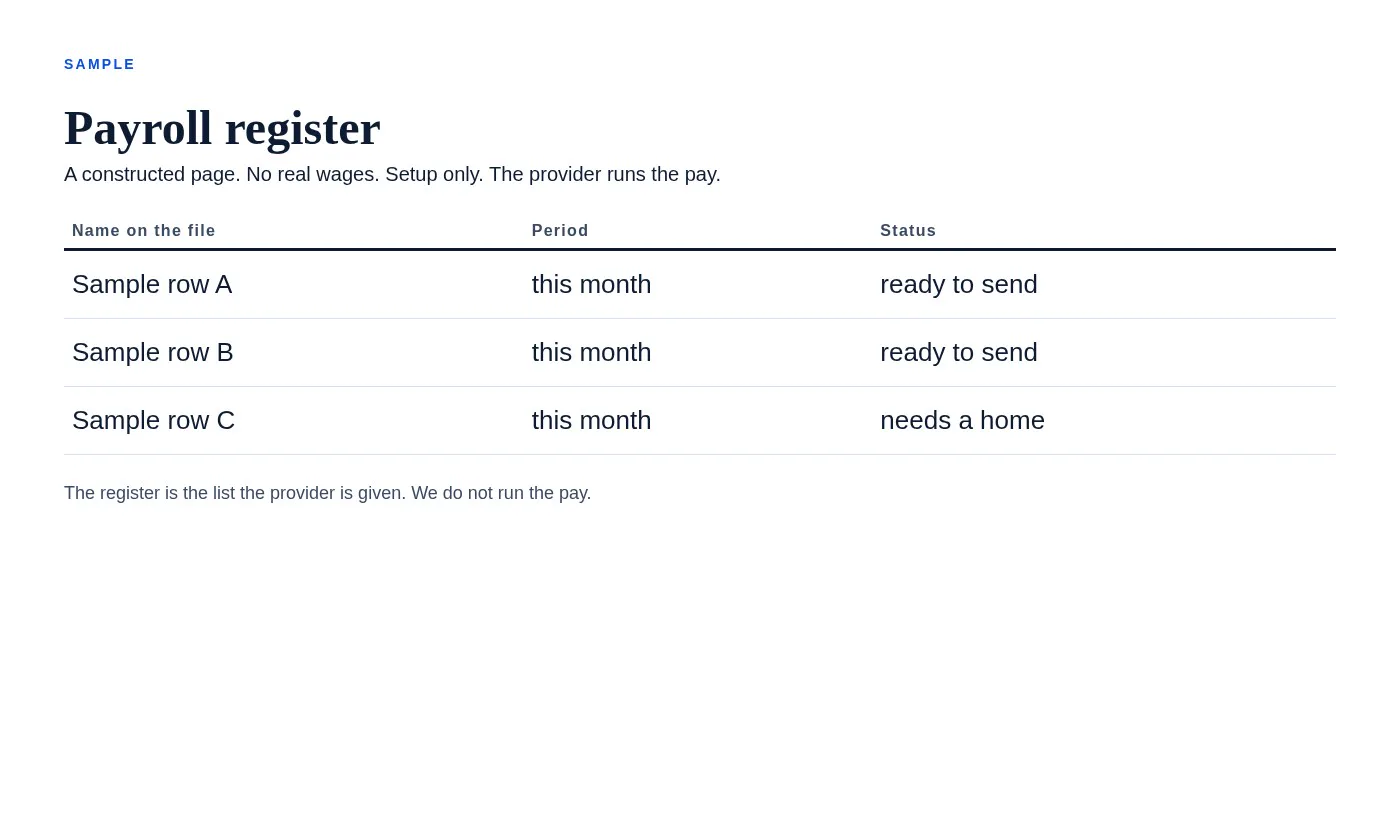
Payroll set up, you run it
Payroll is set up on the provider you already pay people from.
Click to see payroll ›Tap to see payroll ›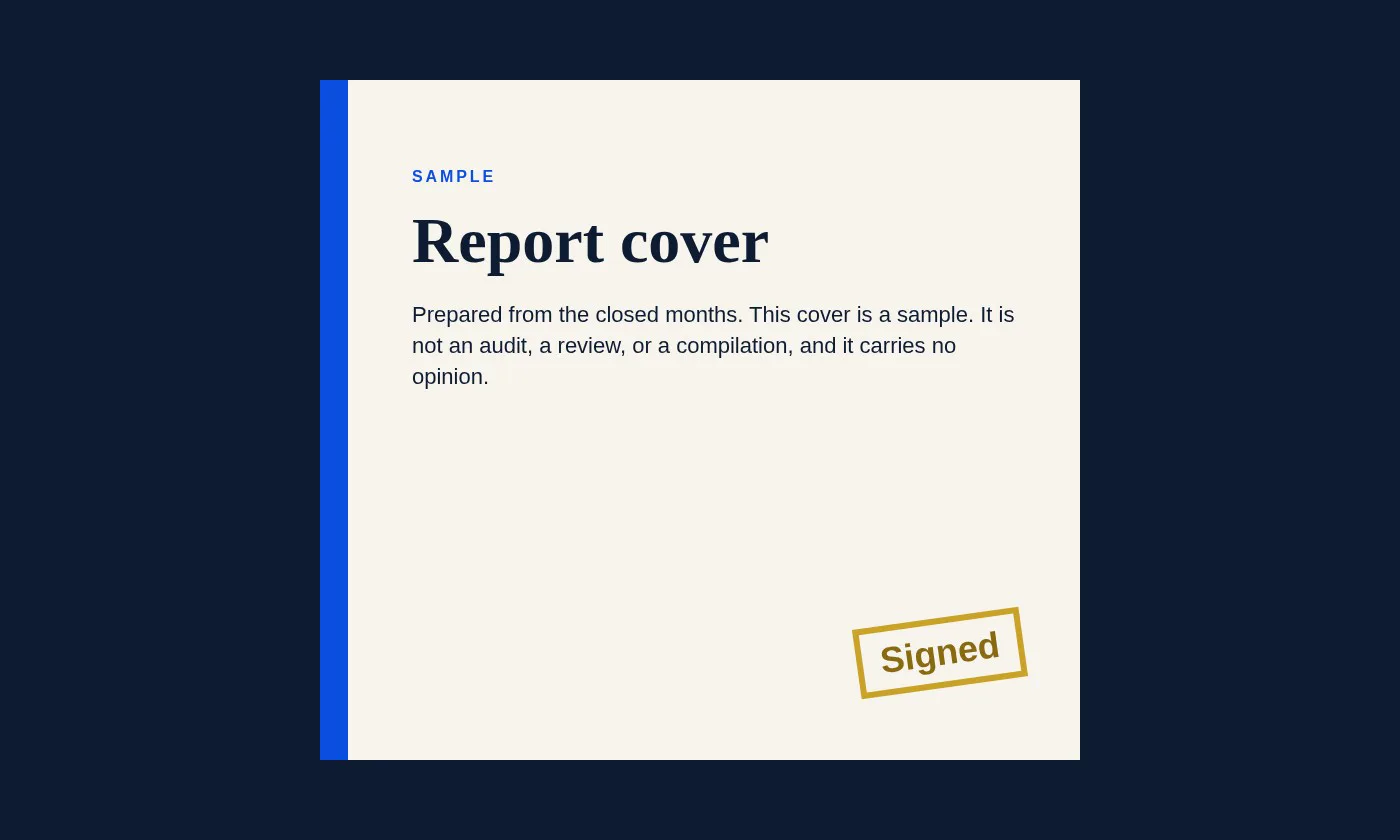
When a report must be signed
That signature goes to a firm that can sign it.
Click to see signed reports ›Tap to see signed reports ›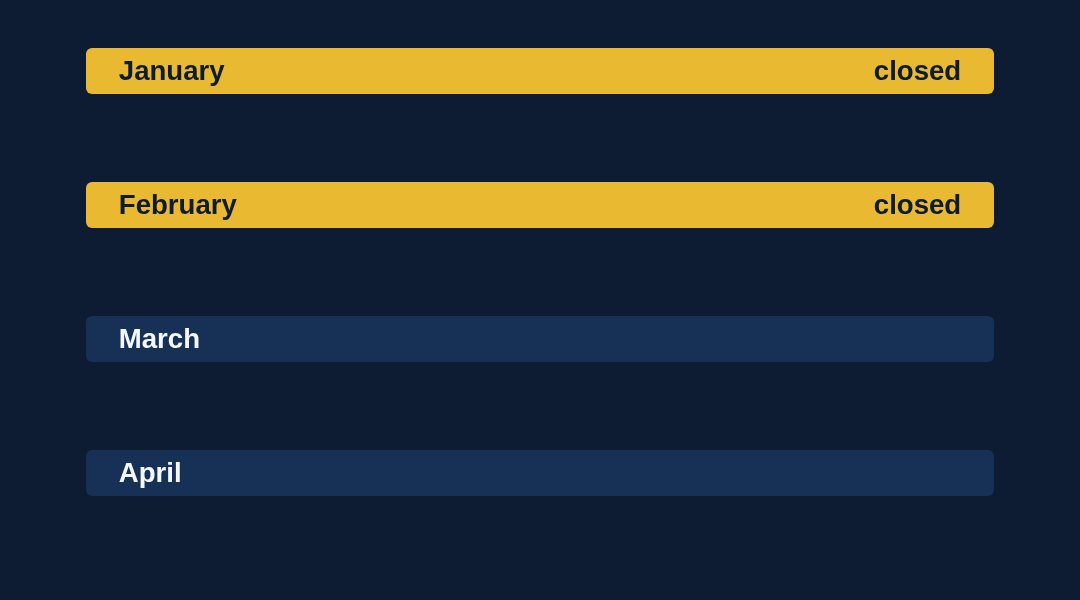
Which help do you need?
Open the one that sounds like your afternoon.
A bank wants last year's numbers
Close the months and match the return to them. Then the bank can read a file that agrees.
A buyer is coming through the books
Find personal spending, unwritten bills, and deposits booked too early, while you can still explain them.
The cover says audited
That signature belongs with a firm that can sign it. We still close the months here while that firm handles the signature.
The books have not closed since spring
Start with the months that drifted. Last year gets cleaned up so this year can be managed.
Owner pay is still not set
Owner pay can still be decided before December ends. Once the year has closed, the return only reports the pay that was already set.
The property form for this county is due in April
The form comes from the books you already keep. The April date is a filing, not a scramble, when the months are closed.
Steven Palmieri keeps these books as a Tax CFO.
Click to read who keeps these books ›Tap to read who keeps these books ›Name the month the books stop at
Bring the month you last closed.
You will be talking to the Steven Palmieri practice.
Read the rest of this page

The number was missing
Read The number was missing
You opened the file and the number was not there. A lease deposit has to land in the month it belongs, and we ask that before anyone treats the month as closed. A month that holds the wrong cash is a month a bank will stop on.
Each month gets closed against the bank, payroll stays on the provider you already use, and a choice still open this year gets named before December.
Someone asked you for a number, and the books do not have it yet. You are in the middle of that afternoon, and the work is to get the number ready.
A December deposit that paid for January work gets moved before anyone drafts the return, so the form describes the year the work happened. Months still in reach get closed now, instead of waiting in a stack until spring.
Property hearings in this county run through September, and that stretch is a poor week for us to hunt a month that never closed. We close it while the choice is still yours, instead of leaving the hunt until October and writing the year from a month nobody looked at.
The request in your hand
Read The request in your hand
Look at the cover line before anyone talks about price. We read that line on the first call and, when the cover needs a signature this practice cannot give, we name the firm that can. The months and the return stay on our side of that call. That boundary on who can sign is written out in full on the Disclosures page.
What gets handed across is a credit file that already agrees with itself. The returns you filed sit beside every balance the company still owes, and both sit beside one recent month whose total matches the bank. A signed report is a different request, and only some letters name one.
A buyer often finds personal spending still in the profit, a bill the balance sheet never recorded, and a deposit counted before the work was delivered. We look for those three while you can still explain them.
We start with the cover line, then name which months still have to close before a return can follow them.
What the work costs.
Read What the work costs.
The price tracks how many months still disagree with the bank statement. We say that count on the call, and a monthly rhythm waits until those months are closed.
You hear your figure on the call. The month we open is the one you brought in, and we do not borrow another owner's numbers to explain it.
What you hold after the first close
Read What you hold after the first close
The close we hand back names every deposit and every bill, and it leaves a short list of leftovers we have not yet given a home.
Your personal return and the company return are drawn from one closed set of months, so the profit is described once. A month that still fights the bank statement is the month that gets rebuilt. A month that already matches is left alone.
Fewer registered businesses are carrying the same work in this county, and that year is one we share with you. The month still has to close when a long Saturday ends. The bank does not pause because the afternoon ran long.
The next month starts from the figure on that reconciliation, so December is still a choice you can make.
A notice that asks for records
Read A notice that asks for records
If the IRS asks for records, we gather the bank pages and the statements the notice points at, and we sit with you while you decide what goes in the envelope. The examination room is yours to sit in. The Disclosures page writes that boundary out.
Dates in this city that sit on the same file
Read Dates in this city that sit on the same file
Dallas County wants the business property list by 15 April. Send the request in writing and the county can set the new date at 15 May. Franchise tax owed to the state comes due on 15 May. A federal filing still leaves the county property list and the May franchise report as their own deadlines.
Sales tax inside the city of Dallas is 8.25 percent. The Comptroller page splits it into a state piece of 6.25 percent, a city piece of 1 percent, and a DART piece of 1 percent. The county adds nothing further, since DART already occupies the local room.
Those dates only help if the books can support them. We keep the months so May is a filing, not a scramble.
We split a receipt from inside the city the way the Comptroller does, state, city, and the DART piece, before anyone writes the return from that month.
We keep the April property list on the same closed months you would hand a bank, so the county date and the loan file are one file.
Who would read the letter with you
Read Who would read the letter with you
After the first meeting, the month still closes in your own file, beside the bank feed and a short note you can read. The close is ordinary work. Each deposit gets a home. Each payment gets a home. A bill that never landed on the balance sheet gets written down before anyone calls the month finished.
A night you would rather spend away from the books is a night we want as much as you do, and the sales tax month is still due on the twentieth. The bank and the books still have to agree in the morning.
A week when the hotels fill is a week we would happily book too, and the 9 percent room tax the city publishes still belongs in the month the stay was earned. A sold-out hotel week leaves that earned-month date where it is.
You walk in with the letter. You leave knowing what it asked for, and whether we or a firm that can sign it should answer.
What to bring to the first talk
Read What to bring to the first talk
The first talk can start from the newest month you already trust, or from the sentence printed on the letter you were handed. We will say whether this is help we can give.